Coating problems on transparent covers, fixtures and engineering-plastic parts do not always originate in the film. Polymer grade, molding stress, cleaning media and assembly constraints can jointly affect integrity. An adhesion rating alone may miss changes in the substrate. Evaluation needs to distinguish these mechanisms before selecting a corrective action.
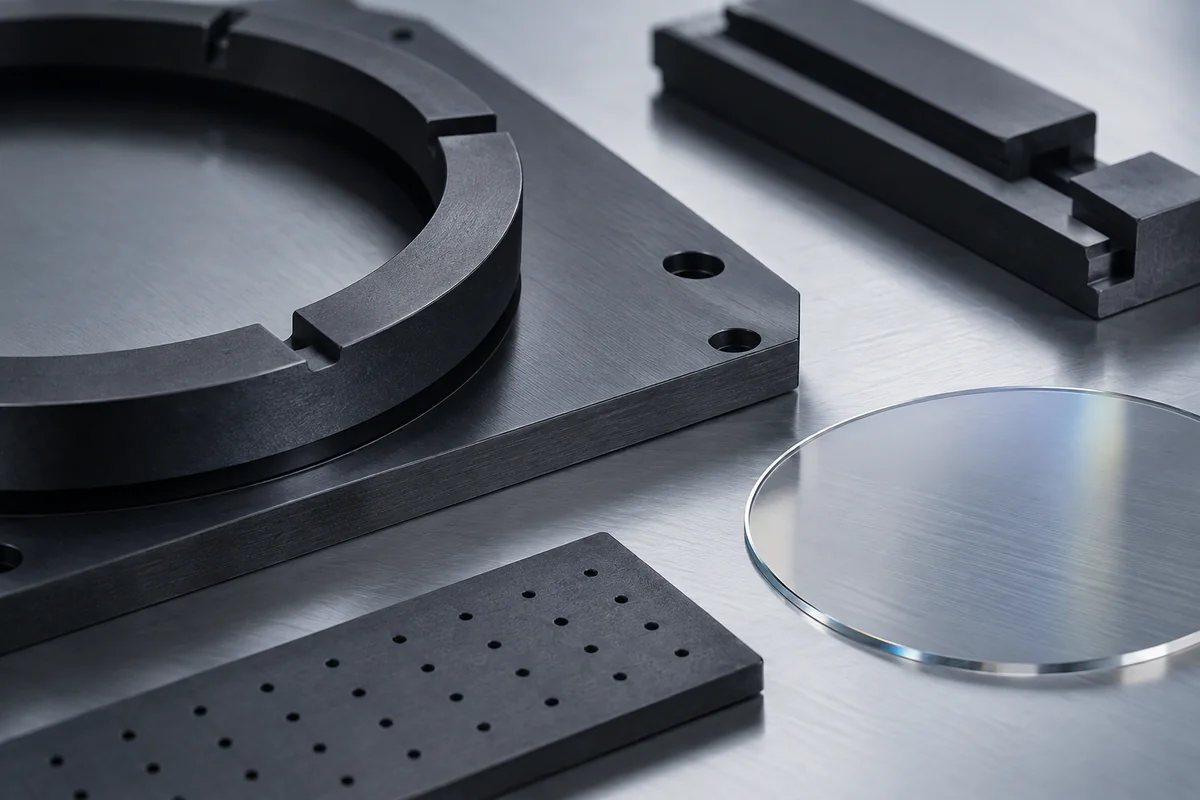
Research perspective: coating, solvent and stress interact
A 2017 Polymer Testing study compared coated polycarbonate under ethanol exposure and bending load to examine environmental stress cracking.[1] It illustrates why substrate evaluation must include stress and the contacting medium. Its coating systems and apparatus do not represent every PC part, nor establish that a cleaner is safe for all plastics.
The supplied part matters more than the polymer name
Before coating, identify the actual grade, fillers, existing surface treatments and molding lot. Parts sharing a polymer name can differ in thickness, gate-adjacent regions and assembly preload. Representative components and untreated controls allow whitening or cracking locations to be compared with geometry, rather than inferring full-part compatibility from an unstressed plaque.
Pretreatment must clean without compromising the substrate
Pretreatment aims to create a reproducible surface, not simply maximize chemical or mechanical action. Excessive treatment can affect clarity, local dimensions or an existing hard coat; insufficient treatment can leave contamination affecting wetting. Identify the actual outermost layer and compare its condition before and after treatment. A coated plastic part should be assessed as a stack, not as bare polymer.
Failure location determines the next action
Substrate cracking, cohesive film failure and interfacial separation can look similar but require different corrections. Inspection should include cut edges, fastener holes, bent regions and pre-existing defects, with the cleaner, contact duration and recovery conditions recorded. Improving coating adhesion may not address substrate damage; an interface-localized problem calls for pretreatment and material review.
Evaluate in the intended sequence of use
A part may be coated, assembled and only then exposed to cleaning and temperature changes. A different test sequence can create different stress and exposure conditions. Separate pre-coating compatibility, post-coating appearance and post-assembly maintenance checks, then validate the combined sequence on representative parts. Accelerated exposure time should not be converted directly into service life.
Define usable conditions through material and process review
INSTA’s materials and processing teams can connect substrate information, coating selection, pretreatment and drying conditions in a meaningful component comparison. Selection records should retain permitted cleaning methods and material changes requiring review, so production and maintenance use the same basis. The value is traceable compatibility rather than a broad solvent-resistant label.
For transparent films, windows or engineering-plastic parts, the PET/PC antistatic coating review starts with substrate and cleaning conditions before selecting an application and curing route for the actual component.
Development and acceptance criteria
| Evaluation area | Evidence to retain |
|---|---|
| Actual material | Grade, existing coating, molding and assembly condition. |
| Media contact | Cleaner, concentration, duration and stress condition. |
| Failure location | Distinguish substrate cracking, delamination and cohesive damage. |
Provide the substrate grade, existing surface layers, thickness, cleaning method, optical requirements and electrical targets for representative sample evaluation. Review transparent PET/PC coating criteria.
Technical enquiry →